
Why AI Can't Replace Your Employment Lawyer
Artificial intelligence has transformed how we access information. Need to understand wrongful termination? Ask AI. Curious about disability accommodation? There's a chatbot for that. With instant answers at our fingertips, it's tempting to think we no longer need employment lawyers for workplace issues. But this presumption comes with serious blind spots that could cost you dearly.
AI tools provide general information based on patterns in their training data, but employment law isn't one-size-fits-all. Your situation exists within a complex web of federal laws, state statutes, local ordinances, industry regulations, and company policies that interact in ways AI cannot accurately predict. Employment lawyers don’t just know the law—they understand how things work in the real world; for example, how courts in your specific jurisdiction interpret the law, which judges favor which arguments, and what outcomes similar cases have produced locally.
Consider a seemingly straightforward scenario: you believe you've been passed over for promotion due to age discrimination. AI might explain the Age Discrimination in Employment Act and suggest documentation steps. What it cannot do is evaluate the strength of your claim based on your employer's legitimate business reasons, assess whether your state's laws provide stronger protections than federal law, advise you on strategic timing that protects your leverage, or negotiate a settlement that maximizes your outcome while saving you the emotional and financial costs and uncertainty of litigation.
Employment lawyers also navigate the critical procedural requirements that AI often glosses over. Filing deadlines with the Equal Employment Opportunity Commission, exhausting administrative remedies, and preserving claims can make or break your case. Miss a deadline because you relied on generic advice, and you may lose your right to sue entirely—even if you have a compelling case on the merits.
Perhaps most importantly, you want an employment lawyer who serves as your advocate and strategist. Based upon their years of experience, your attorney can craft a carefully worded letter to persuasively hit the right points so that you obtain a negotiated resolution with better terms than you'd achieve alone - and protect you from signing away rights you didn't know you had.
The risks of blind reliance upon AI can result in legal sanctions and professional disaster. In the case Mata v. Avianca, a plaintiff’s lawyer used ChatGPT to research a personal injury case and submitted legal briefs citing the cases given to him by the AI tool. The problem was – those cases didn't exist! AI made them up. The lawyer ended up receiving a $5,000 fine and being required to notify every judge whose name appeared in the fabricated opinions. This cautionary tale illustrates how AI's seemingly knowledgeable output can mask fundamental unreliability. The plaintiff’s claims in this case were dismissed.
The stakes in employment disputes are high—your livelihood, your reputation, your financial security. AI is a remarkable tool for preliminary research and general education. But when your career hangs in the balance, treating it as a substitute for personalized legal counsel is a gamble you may not want to take.
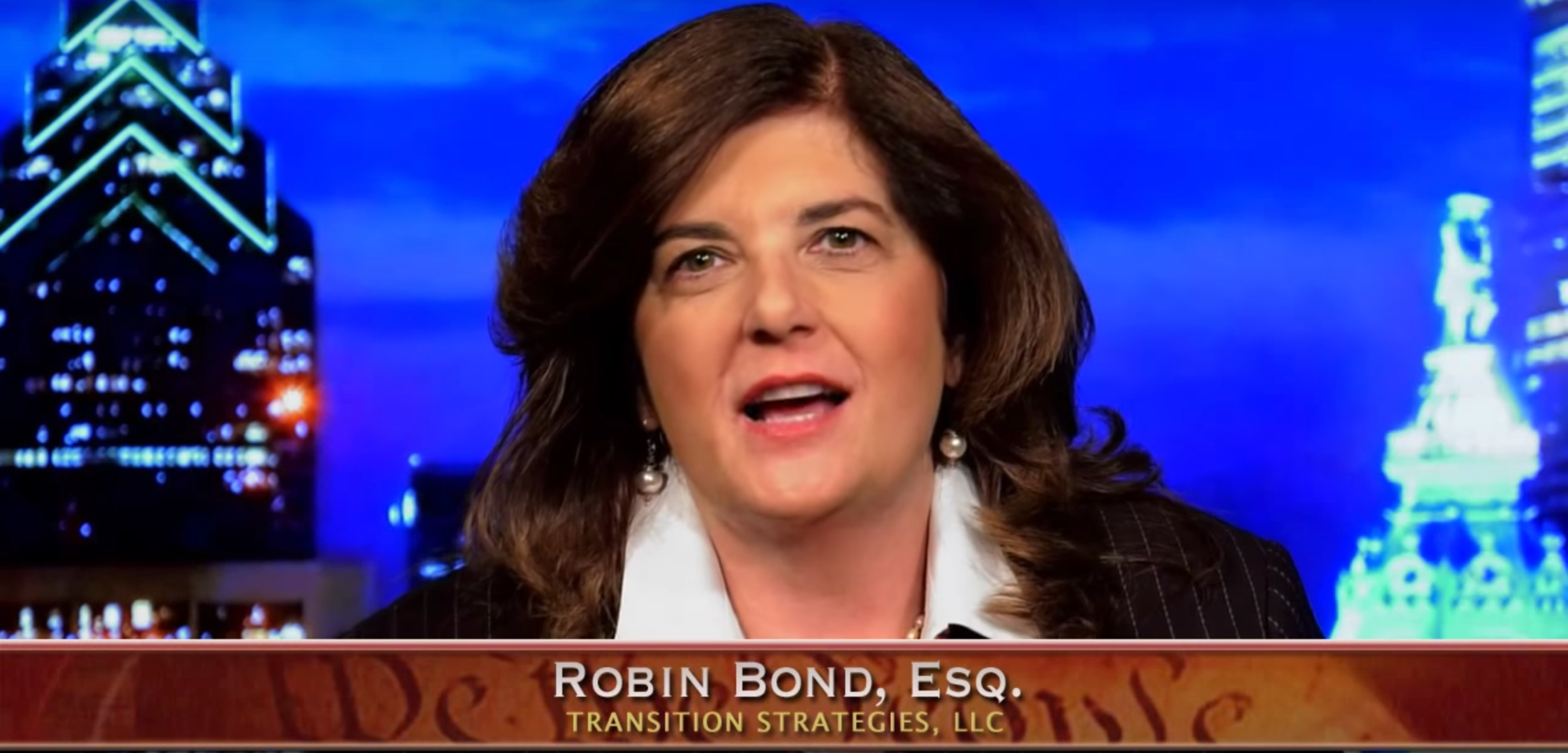
If AI interests you, and you’d like to learn more, you can read about another timely topic on this web site. You can also read about the first wrongful death lawsuit brought against an AI company, based upon a 14-year-old who killed himself to be with his chatbot. And, to find out where AI is headed with “intuition”, you can watch my Money Matters TV Show on this topic which – sooner or later – is going to touch every one of us.