
Benchmark case for AI Accountability in Hiring: Mobley v. Workday
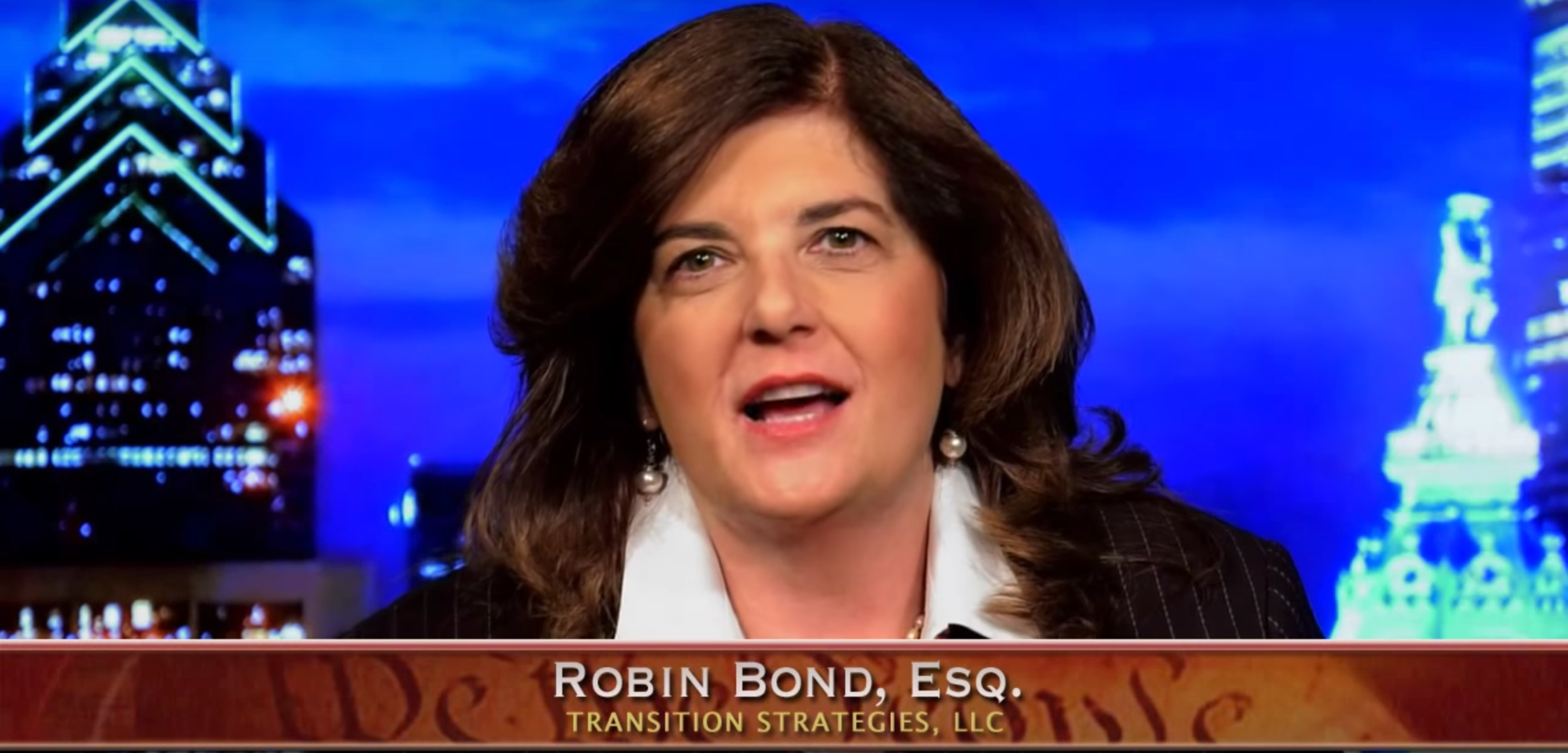
In my September “Law Talk with Robin Bond” TV show on legal issues related to employer uses of AI Agents, we addressed the case of Mobley v. Workday, an ongoing federal class action lawsuit in California that accuses Workday of using biased AI screening software to discriminate against job applicants based upon age, race and disability.
In that case Derek Mobley, an African American male over 40 with a disability, filed the lawsuit after being rejected by hundreds of jobs using Workday’s applicant platform. He became suspicious because many of these rejections occurred within minutes of his submission of the job applications.
Mobley’s lawsuit alleges that Workday’s automated ranking and screening tools create an illegal “disparate impact” against protected classes under Title VII of the Civil Rights Act, the ADEA (age discrimination) and the ADA (disabilities.) For example, the software used data points like employment gaps, which correlate with protected characteristics such as disability-related medical leave or age.
Workday argued that it is merely a software provider and that hiring liability falls entirely on the corporate employers, however, the federal court ruled that Workday acts as an “agent” of employers when its AI performs traditional hiring and screening functions, making them, as a vendor, subject to the same liability for discrimination as the employer. The judge granted collective certification for the lawsuit, allowing millions of job seekers aged 40 and older who were filtered through Workday’s tools to potentially opt-in.
The case illustrates how AI hiring bias and compliance intersect through software algorithms, potentially reproducing the very biases anti-discrimination law was designed to prevent – and expanding liability to the software creators.
For more information about AI Agents and this matter, watch the September 2026 “Law Talk with Robin Bond” show.